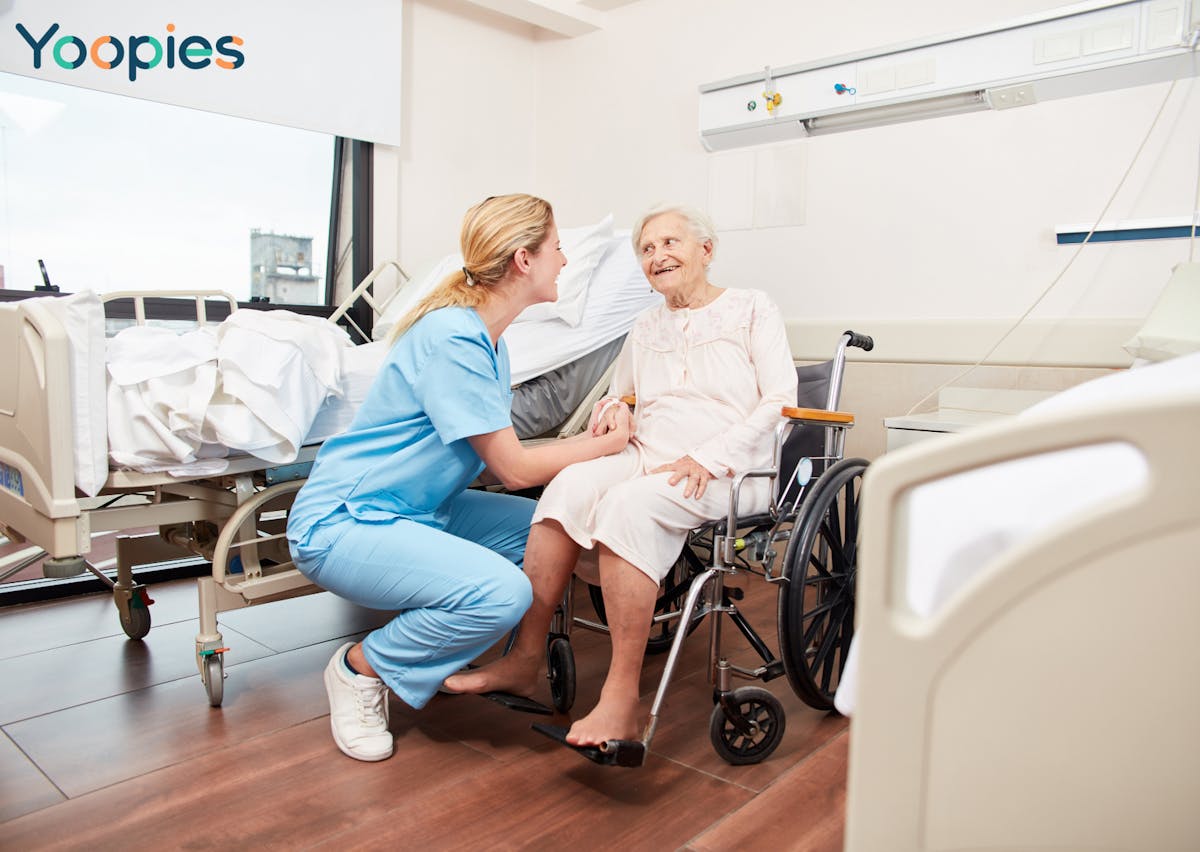

Carers have worked tirelessly throughout the pandemic but have they received significant recognition for their hard work?
2020 was a difficult year for the care sector with more pressure and strain being put on health care workers than ever before due to the Coronavirus Pandemic. Whilst Government praise and pay rises are planned for those who work for the NHS, a Yoopies UK study has revealed that self employed carers feel they are being left without sufficient compensation for the significantly increased workload they have faced during this pandemic.
Recognition of an increasingly important profession:
According to a Yoopies Study of those who are self employed in the caring profession, 93% do not feel they are paid enough based on the work they carry out and only 11% believe they have been sufficiently recognised for their additional hard work during the pandemic. The role of a carer is to support the daily lives of the vulnerable and elderly and has never been more crucial than during the lockdown periods of the coronavirus pandemic. Despite the vulnerability of many of their patients, most carers had no choice but to continue working on the front line and travelled between multiple households to help their patients, the majority of whom are unable to maintain a satisfactory standard of living without support.
Over the last year Yoopies has seen a 21% increase in applicant users for elderly carers and home care assistants and amongst care platforms we are not alone in experiencing this substantial rise. The UK Care Sector is a rapidly growing industry with the demand for home carers and personalised care increasing daily. Since the start of the pandemic in the UK over 6000 new people a day need some form of care whether that is from paid carers or unpaid family members.
Current recognition does not go far enough:
Whilst carers aged 16-64 are receiving some recognition from the Government that their work on the front line is important through their priority grouping on the vaccine roll out register, they are still being offered the vaccine later than NHS staff. Our Yoopies Survey showed that 67% of self employed carers did not feel they had received the same recognition and rewards as NHS workers.
Chancellor Rishi Sunak has announced that the carers allowance, a Government benefit for unpaid carers who provide over 35 hours of care a week, will increase in April 2021. However this benefit is currently the lowest amount of its kind at £67.25 a week, and as the proposed increase is only £0.35 per week, 96% of our survey respondents do not believe this increase is sufficient. This almost insignificant increase still leaves most unpaid carers unable to get by without working alongside their care duties, which in turn takes a significant toll on their mental and physical health. Considering unpaid carers save the economy an estimated £132 billion per annum it is crucial that they receive more recognition in the form of financial support for their continued work during this pandemic.
Paid carers often supplement the work of family members or provide care for those who do not have relatives able to offer support. Many work on the minimum wage or the national living wage and perform a physically and mentally draining job often on zero hour contracts or as self employed individuals with little security and support from external sources. As a profession, caring is thought to be a vocation due to its long hours and low financial benefits as the average carer earns less than the average retail worker for a much more demanding role. This can explain why 34% of those who left jobs in the profession in 2019 moved out of the care sector and decided to work in other industries.
With millions of new people a year needing some form of home care and most people preferring to receive care in their own homes it is essential that the caring profession receive sufficient recognition before there is an even more serious carer deficit which would cause not only financial strain on the Government but take a physical and mental toll on the already overstretched carers and their patients who require care.